

Greek Village Cohousing
--Creating Greece's first Community-Led Neighborhoods
Community-Led, Values-Led, Design-Led
--
As featured in-
_edited.png)


_edited.png)


Greek Village Cohousing
Cohousing began in Denmark as bofællesskab: people creating not just homes, but a community together. At Greek Village Cohousing, we call that idea Συμβιωτική Κοινότητα.
This model of finding a home brings people together before move-in to help shape a real village in Greece — with private homes, generous shared spaces, shared decisions, and a more connected, resilient daily life.
Shaping the community together is how future neighbors become a more connected community. As people make decisions, solve problems, imagine daily life, and build something meaningful together, they develop trust, shared history, and real relationships long before anyone moves in.
For people relocating to Greece, that also means they can make the transition together — sharing information, experience, practical help, and mutual support as they prepare for life in a new country.
It is for people who want more than a house abroad. They want a sense of belonging, sustainable living, mutual support, and a real role in shaping the place they will call home.
A home of your own. A community built together.
See Cohousing in Real Life
These short videos offer a glimpse of cohousing in practice — how people design for connection, share parts of daily life, and create a stronger sense of belonging.
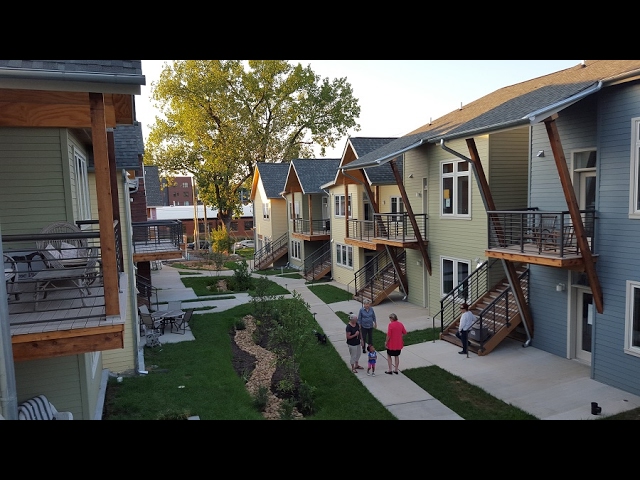


Once they move in, neighbors enjoy their fully private homes and private lives, but they are united by a deep committment to share time together weekly, to cook and eat meals together in their Common House, to share the work of running their village together, of using sociocracy to govern together, and to mutually support each other.
Most of all, they share celebrations and spontaneous fun. Many neighbors describe the community as "extended family by choice."

Mission,
Vision & Values
Village 2.0 — community-led, intentional, and created together Greek Village Cohousing is an intentional community hub for people who want something more meaningful than conventional housing — a way of living rooted in more meaningful connections, shared responsibility and purpose, and everyday belonging. This is not about moving into a developer’s pre-designed vision and hoping community forms later. And it’s not about relocating to a village and leaving connection to chance. This is about people coming together with intention — to shape, design, and bring to life a cohousing, ecohousing, or ecovillage that reflects their shared values from the very beginning. Through Greek Village Cohousing, a group of committed participants becomes a true founding community — supported by a carefully built framework of professionals, processes, and proven methodologies. The result is not just a place to live, but a place that genuinely reflects the people who create it. We draw inspiration from the Hellenic village tradition — the rhythm of shared coffees, unhurried conversations, and a culture of philoxenia — while integrating the essential elements of modern cohousing: community-led design and co-creation shared governance through sociocracy and consensus collaborative development processes architectural design that supports daily interaction and connection These are not abstract ideals. They are practical, time-tested ingredients found in thriving cohousing communities around the world. Our shared values Community support • Sustainability • Inclusivity & diversity • Shared governance • Lifelong learning • Respect & empathy • Honoring Hellenic tradition This is not a concept waiting to happen. Cohousing is a well-established, structured model — and here, the foundation is already in place. You’re not starting from zero. You’re stepping into a process designed to become real.

Why
is Cohousing Different?
Belonging doesn’t happen by accident. Moving to a beautiful place in Greece does not guarantee connection, belonging, or a thriving daily life. Buying into a developer-led lifestyle concept does not create community. And moving into a traditional village does not necessarily mean becoming part of it. Local communities are shaped over generations, with established relationships and rhythms that are not easily entered from the outside. Cohousing works differently. It changes the question from “What property can I buy?” to “What kind of life, community, and future do we want to build together?” Instead of treating housing as an individual consumer choice, it creates a structured, community-led process in which future residents participate in shaping the relationships, shared spaces, governance, and values that will define daily life. People come together early. They get to know one another over time, build trust, and actively help shape the village before they ever move in. The community is not something that happens later. It is the starting point. That is the difference between living near others… and truly living with them.


A rendering of our design, inspired by Monemvasia
Our New-Build Project:
Taygete Cohousing Village
Cohousing is community-led It is not a developer's vision and design - sold later. It is a village originating and co-created by the people who intend to live there. That is the heart of why cohousing creates true belonging. The work of forming the community — meeting regularly, building trust, learning sociocracy, shaping shared values, working with professionals, and making decisions together — is not a preliminary step before the “real” project begins. It is one of the best ways to bond with your future neighbors and to create a group that demonstrate, before they move in, that they value mutual care and collaboration. The village begins forming long before move-in, because the relationships, agreements, habits of collaboration, and shared sense of purpose are what make cohousing different from conventional housing. Why Laconia Over the past several years, members of Greek Village Cohousing have explored Greece carefully, not simply looking for beautiful land, but asking a deeper cohousing question: Where can we build the kind of community we actually want to live in together? Laconia, in the southern Peloponnese, was chosen because it offers a rare combination: mountains, agriculture, seasons, deep local culture, and a daily rhythm that is not dominated by tourism. Nearby Sparta provides the practical anchor of a working Greek town — shops, services, schools, health care, markets, tavernas, and opportunities for connection with the wider region. Beaches, villages, historic sites, and the Taygetos mountain landscape are all within easy reach. For people relocating to Greece, this matters. Taygete is not being imagined as an expatriate enclave, a vacation compound, or a resort-style real estate product. It is being shaped as a real cohousing village in Greece: private homes, generous shared spaces, sociocratic governance, shared meals, mutual support, sustainability, and a meaningful relationship with the surrounding Greek community and landscape. The design Inspired by the human scale and social beauty of traditional Greek villages — including the nearby UNESCO World Heritage village of Monemvasia — members worked collaboratively with Hillcon Build Group and the project’s professional team to design a village that supports connection in daily life. Pathways, sight lines, front doors, gathering places, and the Common House were all considered through a cohousing lens: how do we make it easy for neighbors to meet, talk, help one another, cook together, celebrate together, and still return to the privacy of their own homes? The private homes are complemented by a substantial Common House, the social heart of the village. It includes a communal kitchen and dining area for shared meals, as well as a remote-professional coworking suite for people who want to live in Greece while continuing meaningful work, creative projects, advocacy, consulting, teaching, writing, or other engaged lives. Taygete’s setting is a mountain-agrihood landscape within easy driving distance of Sparta, beaches, villages, and a wider region rich in beauty, history, and cultural continuity. The aim is not simply to live somewhere scenic. The aim is to create a village where daily life is more connected, more resilient, more cooperative, and more rooted. Taygete Cohousing Village is being co-created for belonging, mutual support, beauty, shared governance, sustainability, and a deeper way to live in Greece — by the people who intend to call it home. Where Taygete Cohousing Village Stands Now Over the past several years, Greek Village Cohousing members have invested deeply in community formation, research, fieldwork, feasibility review, participatory design, and relationship-building with the Greek professionals needed to bring a pioneering cohousing village into reality. Taygete is a new-build cohousing development in Laconia, architecturally integrated into its surrounding mountain-agrihood landscape and adjacent to a developing wellness-oriented resort setting. The physical design process — including the site layout, Common House, private home plans, and core village pattern — has been shaped collaboratively through the community-led process and with the project’s professional partners. According to our developer/builder, Hillcon Build Group, Taygete is in the later stages of development preparation, with studies, permitting, site-readiness, and infrastructure planning moving forward. Hillcon has indicated that initial site preparation has begun, and that utilities and infrastructure work are targeted for late 2026. We will update this page as dates and milestones are confirmed, rather than presenting projections as guarantees. Unlike many cohousing projects, Taygete is not expected to require all 36 households to be fully committed before the broader construction pathway can move forward. According to Hillcon Build Group, major construction can begin once the first group of committed households reaches the required investment threshold. But Taygete is not conventional real estate. It will not be held back as a finished product for people to purchase later without having participated in the community-building process. Cohousing works differently. The founding community forms before move-in. The people who join now are the people who can move deeper into the process: getting to know future neighbors, learning sociocracy, helping shape community culture and norms, supporting one another’s transition to Greece, and discerning together whether there is a strong mutual fit for full commitment. For those considering a move to Greece, this is an important distinction. Taygete is not only a home abroad. It is a chance to help co-create the community you will live in — with private homes, shared spaces, shared meals, shared governance, and a living culture of neighborly care. If you are relocating to Greece on your own Moving to a new country can be difficult even when the paperwork, housing search, and practical logistics are handled well. Many people discover only after arriving that the harder work is slower and more human: building friendships, routines, trust, purpose, and a sense of belonging. A forming cohousing village offers a different path. Instead of arriving alone and hoping community will somehow happen later, future neighbors begin building relationships before move-in. Some people are a few steps ahead, some are a few steps behind, and everyone is learning what it means to create a shared life in Greece with intention. Taygete is not a substitute for legal, tax, immigration, or financial advice, and each household remains responsible for its own relocation decisions. But for people who want both privacy and community, both independence and mutual support, both a home in Greece and a meaningful role in shaping village life, cohousing offers something conventional relocation cannot: a community you help create before you arrive. In other words, Taygete is a village that forms before it is built. Those who wait until the homes are complete may find that the founding community has already taken shape.

Currently under consideration: An AI image of a hotel for sale, adapted into an ECohousing Village
Our Adaptive Reuse Project:
Retrofit | Regeneration | Renovation
Greek Village Cohousing is actively exploring adaptive reuse and regenerative property pathways for a future cohousing or ecovillage community in Greece. Over the past several years, members have invested deeply in community formation, regional research, property search, feasibility review, and relationship-building with the Greek professionals needed to evaluate whether an existing place can realistically become a living community. This pathway begins with a distinctive opportunity: the founding group can participate in choosing the property and location itself. Several promising options are being considered, including hospitality, estate, village-regeneration, and land-with-common-house possibilities. Each option is reviewed through a cohousing lens: Can this place support a Common House? Can it create enough private homes for a viable community? Can the legal, engineering, access, water, infrastructure, fire-safety, and financial questions be responsibly answered? Can a group imagine a real daily life here together? As the process moves forward, Explorer members will have the opportunity to engage with the property search in a concrete way. During site tours, members can visit and experience the locations under serious consideration, while continuing to reflect and discern with their Explorer cohort through Zoom meetings, shared study, and community conversations. Greek Village Cohousing will steward the early process: property review, professional consultation, community formation, preliminary feasibility, early design thinking, and the creation of the shared agreements needed for a seed group to move forward wisely. The next stage is for a committed seed group to gather around the strongest property pathway. That group will help study the opportunity, clarify shared values, explore legal and financial structures, imagine the Common House and private homes, and decide together whether the project is strong enough to move toward deeper commitment. As with all true cohousing, this is not a finished product waiting for buyers. It is a community-led process that asks future neighbors to step in early enough to help shape the place, the agreements, the culture, and the future life of the village. In other words, the adaptive reuse pathway is already underway: searching, studying, gathering, and preparing for the right group and the right place to come together.
How Do I Join?
Greek Village Cohousing is not real estate you simply buy into. It is a community you grow into — step by step, relationship by relationship, before move-in. It is a village you help shape with your future neighbors and trusted professional partners. This co-creation process builds bonds among neighbors and a true sense of belonging.
Begin by joining as an Explorer member - a kind of immersion-style exploration of this cohousing intentional community and this co-creation experience.


Meet the Founder & Project Steward
"After living in lovely Touchstone cohousing for 5 years and over a decade of studying intentional communities worldwide, I founded Greek Village Cohousing to bring this lifestyle to the country I love. I'm here to help you navigate the journey from curious explorer to village resident."

Meet the Community
Our community is led by a dedicated 'seed group' of Explorers who are currently shaping our governance, design, and culture. We come from diverse professional backgrounds but share one goal: creating a sustainable, supportive neighborhood in the heart of Greece. We aren’t just neighbors-to-be; we are already an "intentional community" — collaborating, learning, and laying the foundations of our future village together.